
Missing teeth can affect much more than just your smile. They can impact your confidence, chewing ability, speech, and even your overall oral health. Dental implants have become one of the most reliable solutions for replacing missing teeth. However, many people are told they have insufficient jawbone density and immediately assume they are not candidates for implants.
The good news is that dental implants with bone loss are often still possible. Thanks to advancements in modern dentistry, patients who have experienced bone loss can often receive successful implant treatment with the right planning and procedures.
If you are considering dental implants in Jaipur and have concerns about bone loss, this guide will help you understand your options and what to expect.
Understanding Bone Loss in the Jaw
Your jawbone needs regular stimulation from natural tooth roots to maintain its strength and volume. When a tooth is lost, the surrounding bone begins to shrink because it no longer receives that stimulation.
Bone loss can occur due to several reasons, including:
Missing teeth for a long period
Gum disease (periodontitis)
Trauma or injury
Infection around existing implants
Poor oral hygiene
Certain medical conditions
Over time, significant bone loss can make implant placement more challenging. However, challenging does not mean impossible.
Can You Get Dental Implants With Bone Loss?
Yes, in many cases you can.
Modern implant dentistry offers several solutions for patients with reduced bone volume. A skilled implant specialist will evaluate your jawbone using digital scans and determine whether additional procedures are required before implant placement.
The treatment plan depends on:
Amount of bone available
Location of bone loss
Overall oral health
Medical history
Number of missing teeth
Many patients are surprised to learn that they remain suitable candidates for implants despite moderate or even severe bone loss.
Why Bone Loss Happens Around Dental Implants
Bone loss isn't only associated with missing teeth. It can also occur around existing implants.
Peri-Implant Mucositis vs Peri-Implantitis
Understanding the difference between these two conditions is important.
Peri-implant mucositis is the early stage of inflammation affecting the soft tissues around an implant. It is similar to gingivitis and is usually reversible with proper treatment.
Peri-implantitis is a more advanced condition that affects both the gum tissue and supporting bone. If left untreated, it can lead to significant implant failure and bone deterioration.
Early diagnosis is essential because treating peri-implant mucositis is generally much easier than managing peri-implantitis.
Peri-Implantitis Bone Loss: A Growing Concern
One of the most common causes of implant-related bone loss is peri-implantitis.
This condition occurs when harmful bacteria accumulate around the implant, causing inflammation and progressive destruction of supporting bone.
Common symptoms include:
Bleeding gums around implants
Swelling and redness
Bad breath
Pus discharge
Implant mobility
Discomfort while chewing
The earlier the condition is identified, the better the chances of preserving the implant.
Bone Loss Around Existing Implants
Patients often ask whether bone loss around an implant automatically means implant removal.
The answer is not always.
Mild to moderate bone loss around existing implants can often be managed through professional treatment. Depending on the severity, dentists may recommend:
Deep cleaning around the implant
Laser-assisted therapy
Antimicrobial treatment
Bone grafting procedures
Surgical intervention
Regular follow-up appointments play a crucial role in preventing complications.
Crestal Bone Loss Implant: What Does It Mean?
Crestal bone loss refers to bone reduction occurring around the upper portion of a dental implant.
A small amount of crestal bone loss implant cases may occur naturally during the healing process and can be considered normal. However, excessive or progressive bone loss requires investigation.
Factors contributing to crestal bone loss include:
Excessive bite forces
Poor implant positioning
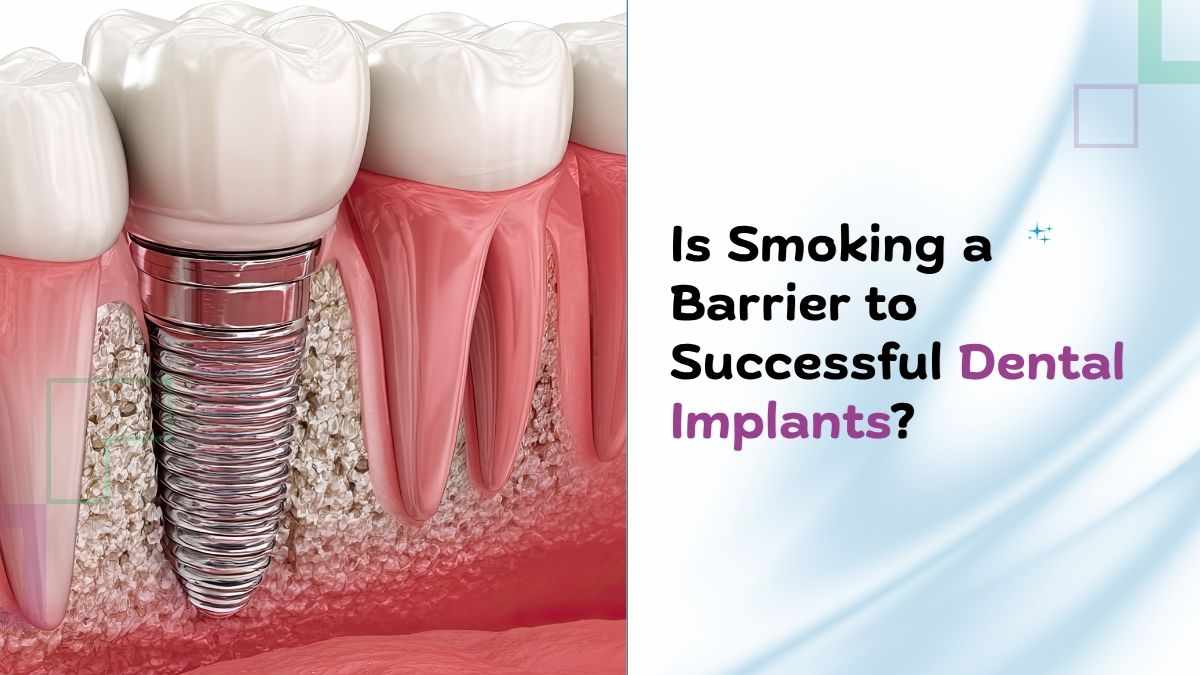
Smoking
Gum disease
Inadequate oral hygiene
Monitoring implant health through routine dental examinations helps identify issues before they become serious.
Implant Bone Loss After Placement: Should You Be Concerned?
Many patients become anxious when they hear about implant bone loss after placement.
Some initial bone remodeling is expected after implant surgery. During this phase, the body adapts to the implant and establishes a stable connection.
However, significant bone loss may indicate:
Infection
Mechanical overload
Poor implant integration
Systemic health issues
An experienced implant dentist can determine whether the bone changes are normal or require intervention.
Failed Dental Implant Bone Loss: What Happens Next?
Although dental implants have a high success rate, failures can occasionally occur.
Failed dental implant bone loss may result from:
Peri-implantitis
Smoking
Uncontrolled diabetes
Insufficient bone support
Poor oral hygiene
The encouraging news is that implant failure does not necessarily mean the end of treatment.
After removing a failed implant, dentists often perform bone regeneration procedures to rebuild lost bone. Once healing is complete, a replacement implant may be placed successfully.
Implant Rejection Bone Loss: Myth or Reality?
Many people use the term "implant rejection," but true implant rejection is extremely rare.
Most cases labeled as implant rejection bone loss are actually caused by:
Infection
Poor healing
Smoking habits
Excessive pressure on the implant
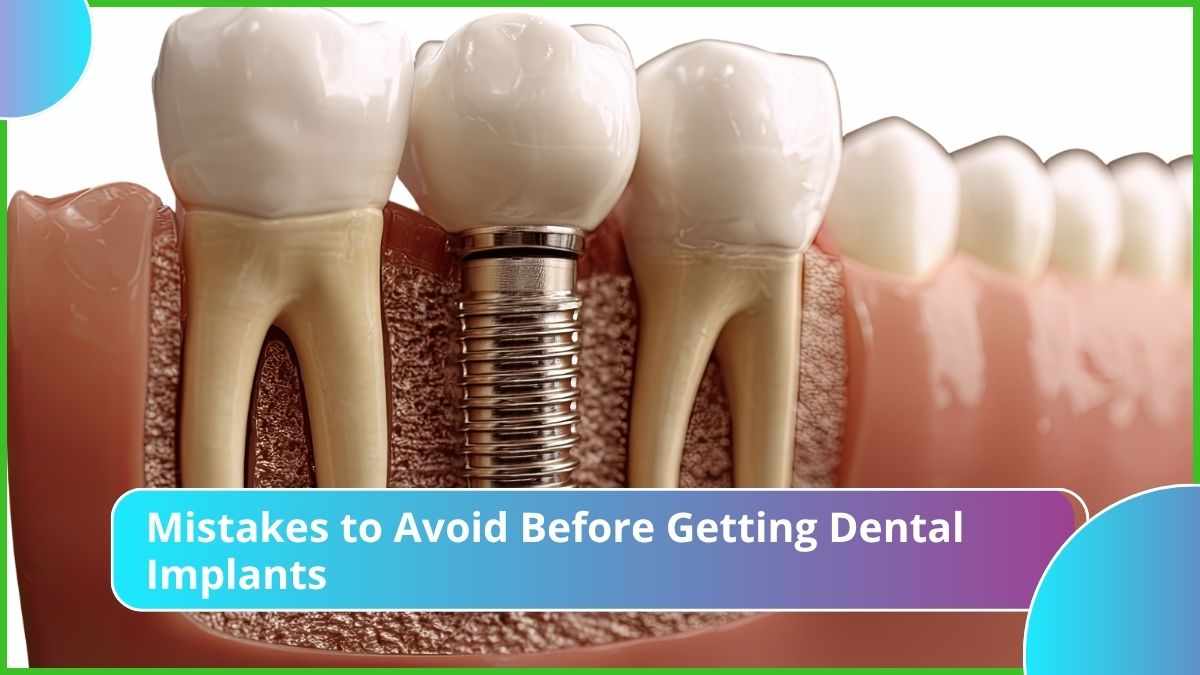
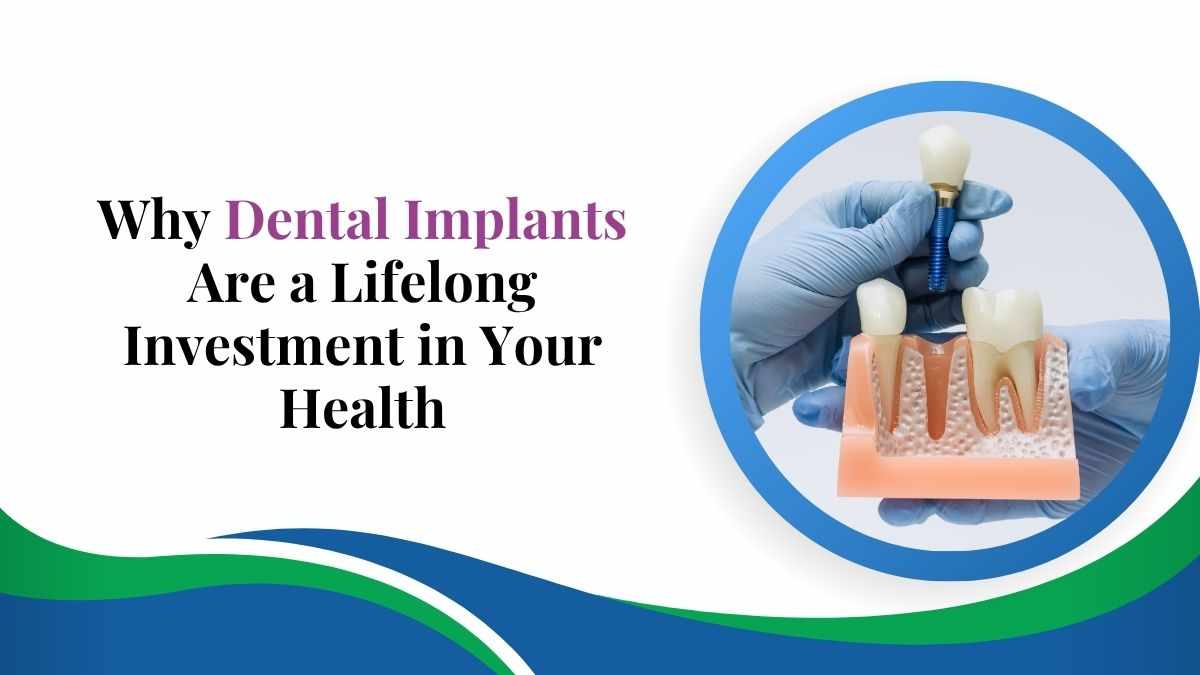
Dental implants are typically made from biocompatible titanium, which is well accepted by the body.
The key to long-term success lies in proper planning, placement, and maintenance.
Treatment Options for Bone Loss Before Implant Placement
If your jawbone lacks sufficient volume, several advanced procedures can help.
1. Bone Grafting
Bone grafting is one of the most common solutions.
The procedure involves adding bone material to areas where bone has deteriorated. Over time, the graft integrates with the natural bone, creating a stronger foundation for implants.
2. Sinus Lift Surgery
For upper jaw implants, a sinus lift may be recommended if there is insufficient bone beneath the sinus cavity.
This procedure increases bone height and improves implant stability.
3. Ridge Augmentation
Ridge augmentation rebuilds the shape and width of the jawbone after significant bone loss.
4. Zygomatic Implants
For severe upper jaw bone loss, zygomatic implants provide an alternative by anchoring into the cheekbone rather than the jawbone.
Treating Peri-Implantitis at Home: Is It Enough?
Many people search for information about treating peri-implantitis at home.
While good oral hygiene is essential, home care alone cannot cure established peri-implantitis.
Helpful measures include:
Brushing twice daily
Using interdental brushes
Antibacterial mouth rinses
Regular flossing
Avoiding tobacco products
However, professional intervention is usually necessary to stop disease progression and preserve bone support.
Peri-Implant Disease Treatment Options
Modern dentistry offers several effective peri-implant disease treatment options, including:
Professional implant cleaning
Antimicrobial therapy
Laser treatment
Regenerative bone procedures
Guided bone regeneration
Surgical decontamination
The most appropriate treatment depends on the severity of bone loss and implant condition.
Why Early Evaluation Matters
One of the biggest mistakes patients make is delaying treatment after tooth loss.
The longer a missing tooth remains untreated, the greater the likelihood of jawbone deterioration. Early consultation allows dentists to preserve bone and simplify implant treatment.
If you are considering dental implants in Jaipur, seeking an evaluation sooner rather than later can improve your treatment options and outcomes.
Choosing the Right Implant Specialist
Successful implant treatment requires expertise, advanced imaging technology, and personalized planning.
When selecting a provider, look for:
Experience in implant dentistry
Bone grafting expertise
Advanced diagnostic technology
Comprehensive treatment planning
Strong patient reviews
Patients searching for an experienced orthodontist in Vaishali Nagar or implant specialist should prioritize clinics that offer multidisciplinary dental care under one roof.
Final Thoughts
Bone loss no longer automatically disqualifies patients from receiving dental implants. Modern techniques such as bone grafting, ridge augmentation, sinus lifts, and advanced implant solutions have made treatment possible for many individuals who were once considered unsuitable candidates.
Whether you have experienced tooth loss recently or have concerns about peri-implantitis bone loss, implant bone loss after placement, or other implant-related complications, professional evaluation is the first step toward restoring your smile.
If you are exploring dental implants in Jaipur, consulting an experienced dental professional can help determine the best treatment approach for your unique needs. With proper planning, advanced technology, and ongoing care, achieving a strong, healthy, and confident smile is often possible—even when bone loss is present.

Write a comment ...